
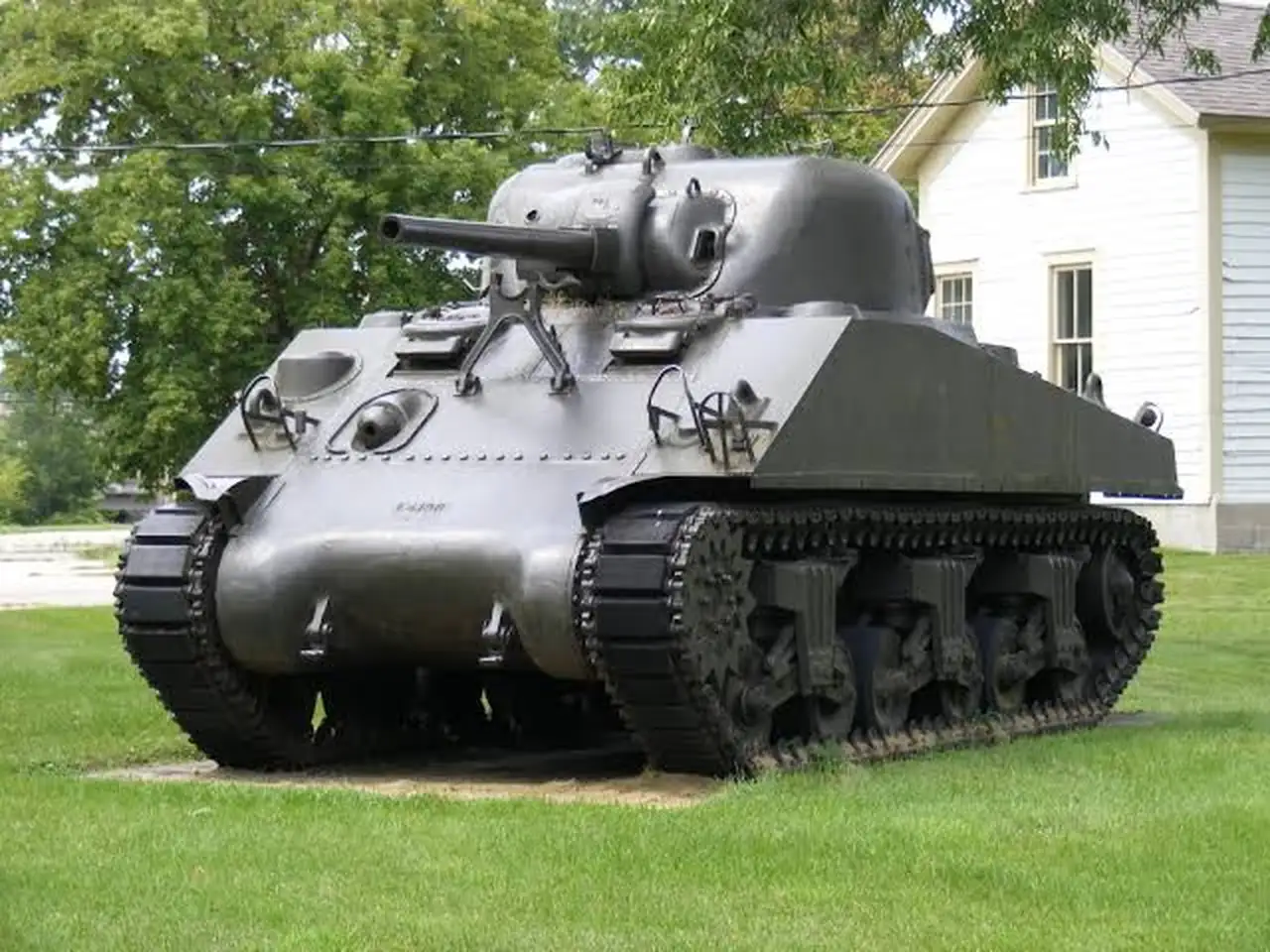
M4 Sherman Armor, Engine and Firepower Breakdown

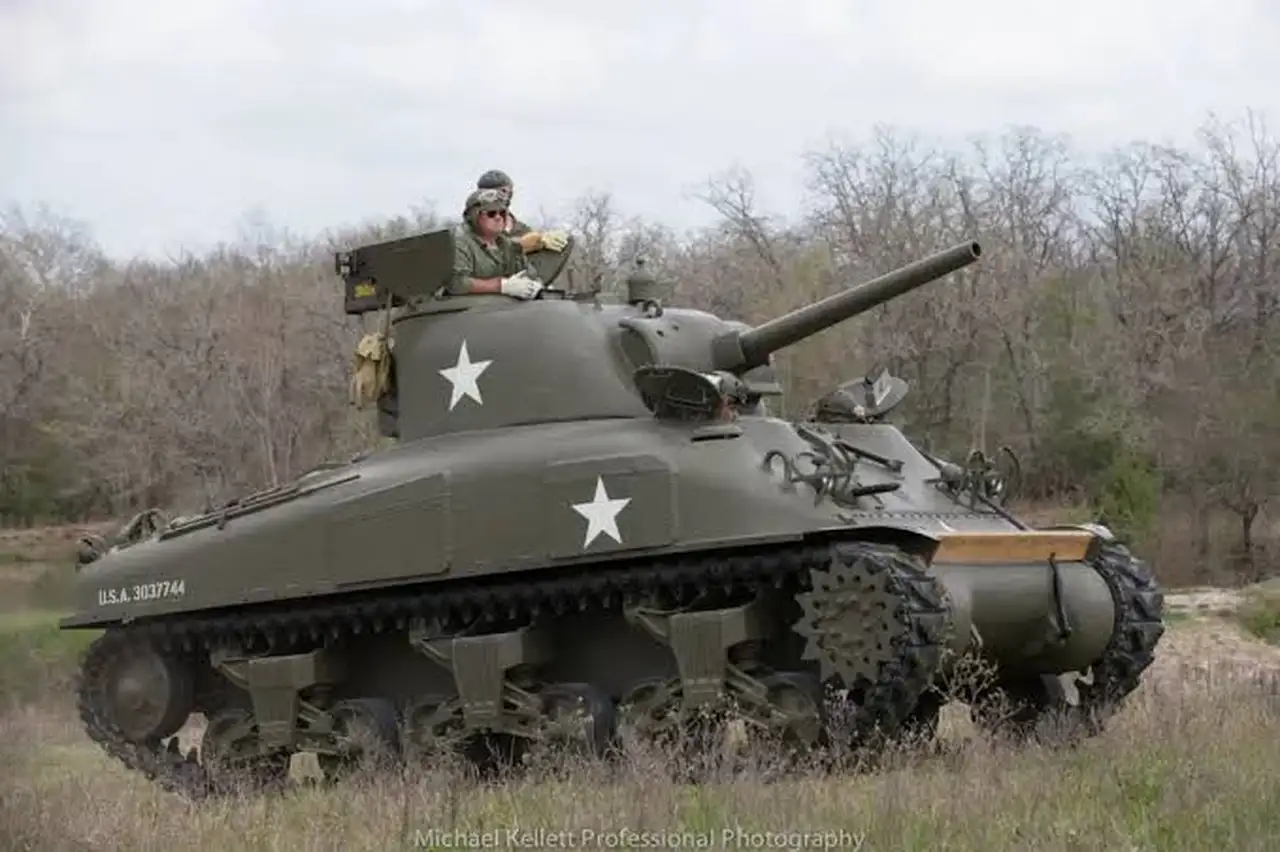
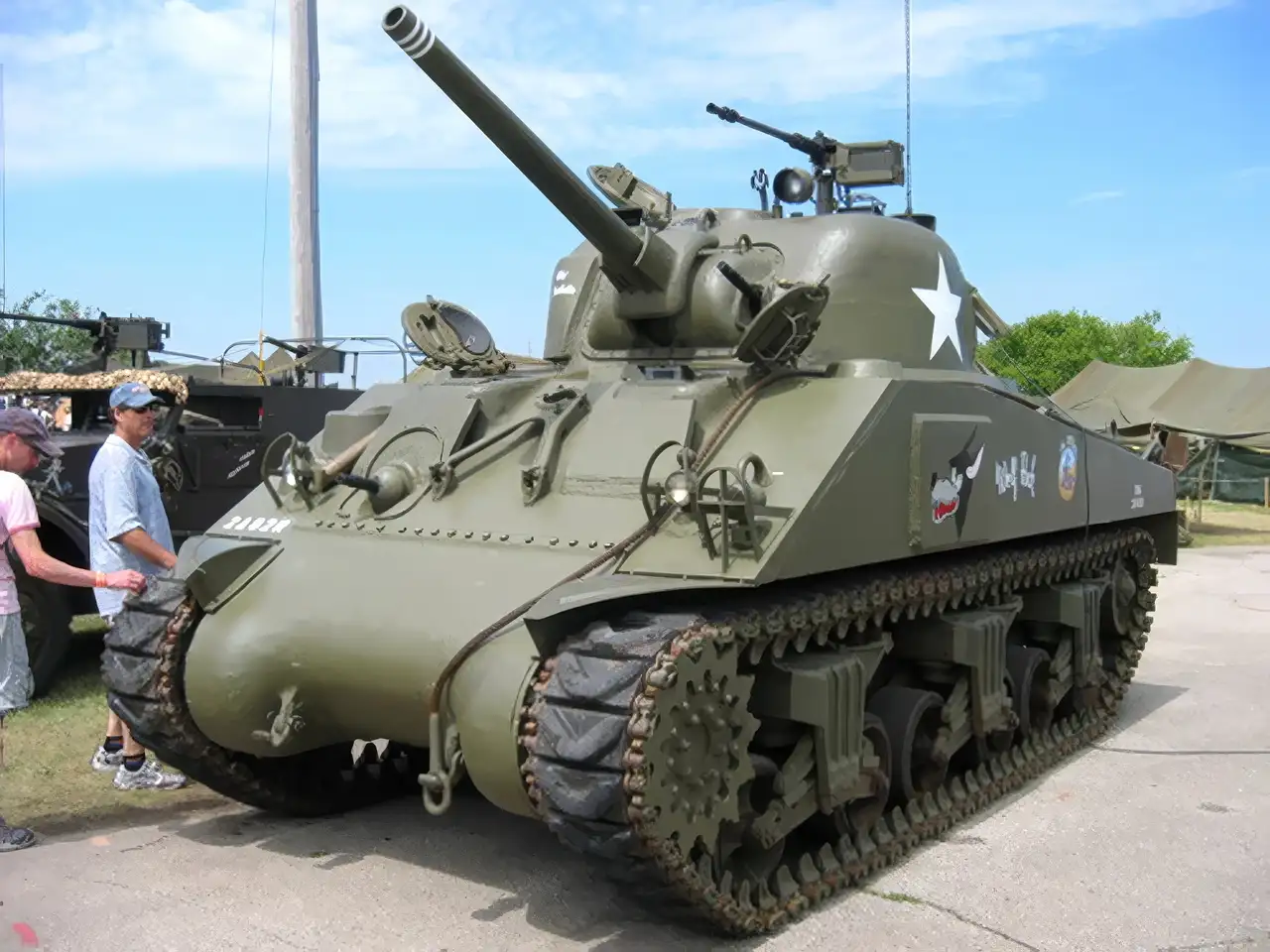
Built by the thousands starting in 1942, the M4 Sherman reached nearly 50,000 units and became America’s standard medium tank of World War II.

M4 Sherman

What Was the M4 Sherman?

The M4 Sherman was America’s standard medium tank throughout World War II. It replaced the M3 Lee, built around reliability, ease of production and straightforward field maintenance.

Production started in 1942, with the first M4A1 units rolling off the line that April. From there, it became the backbone of Allied armored forces.

The Sherman was never meant to be the toughest tank on the battlefield. It was meant to exist in numbers large enough to help win the war.

How Many Sherman Tanks Were Built?

Total production ranged from roughly 49,234 to more than 50,000 units, depending on how different sources count variants and sub-models.

That output put the Sherman among the most-produced tanks in history. Manufacturers like Ford and Lima Locomotive Works ran continuous industrial-scale production from 1942 through 1945/1946.

Beyond the US, the tank served with Britain, the Soviet Union, Free France, China and other Allied nations.

What Were the Sherman’s Core Specs?

Combat weight ran from about 30.3 to 42 short tons, depending on the variant and armor package installed.

SpecValue
Crew5
Armor0.5 in to 7 in

Length ranged from 19.2 ft to 20.6 ft, and height varied between 9 ft and 9.7 ft across the different production series.

What Weapons Did the Sherman Carry?

The most common main gun was the 75mm M3, standard on early and widely produced versions.

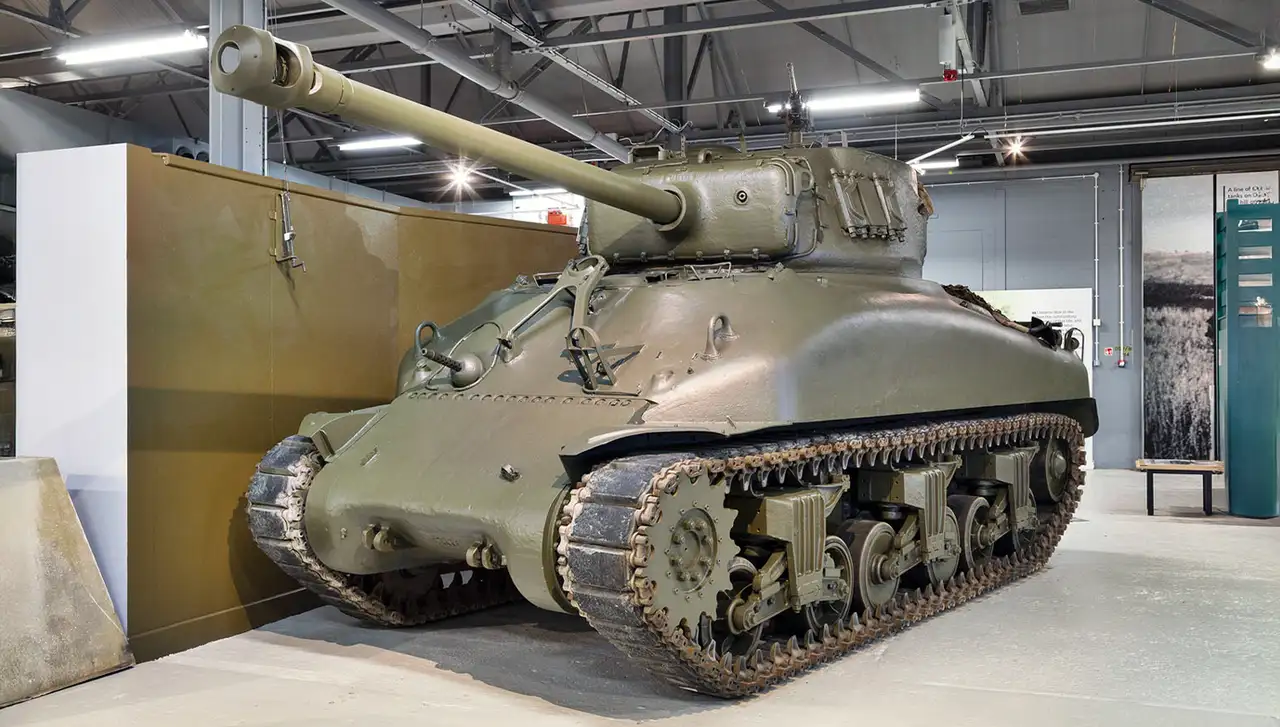
Later models moved to the 76mm M1 gun, offering better penetration against thicker enemy armor.

There was also the M4(105) variant, fitted with a 105mm howitzer for infantry support. Secondary armament included a .50-cal machine gun and .30-cal machine guns.

How Did the Sherman Move?

Powertrain varied by version: the Continental R975 radial engine at 400 hp was common, while the M4A3 ran a Ford GAA V8 rated at 500 hp.

Top road speed ranged from 24 to 30 mph, with range between 100 and 150 miles depending on engine and suspension setup.

How Did the Sherman Perform in Combat?

The Sherman excelled against medium-class targets and in infantry support, the exact role it was designed for.

Its mechanical reliability and field-serviceability were real advantages over more complex German armor.

The weak point showed up in head-on fights with heavy German tanks like the Tiger, which had superior armor and firepower.

Why Did the Sherman Get a Reputation for Catching Fire?

That reputation was real and widely discussed, though the full picture is more complicated than the popular nickname suggests.

Sources including the Imperial War Museums note that ammunition storage and side-armor design played a role, and this risk varied significantly across different production versions and field modifications.

Sherman vs Tiger: Which Tank Had the Edge?

In a direct duel, the Tiger held the advantage in armor and firepower, especially against early 75mm-armed Shermans.

The Sherman made up for it with numbers: mass production, strong logistics and far greater battlefield availability. In the end, the war was also won by volume.

Sherman Strengths and Weaknesses

Strengths:

  • Mass production and strong logistical availability
  • Mechanical reliability and easy field maintenance
  • Versatile platform with many variants
  • Strong interoperability across Allied forces

Weaknesses:

  • Weaker armor than heavy German tanks
  • Early 75mm gun limited against heavily armored targets
  • Vulnerability once penetrated
  • Inferior performance in head-on fights against the Tiger

Frequently Asked Questions

Was the Sherman used after World War II?
Yes, it remained in service with various countries for decades afterward.

What was the Sherman’s standard crew size?
Five crew members operated the tank in its main configurations.

Were there many Sherman variants?
Yes, including the M4, M4A1, M4A2, M4A3, M4A4, and versions with 76mm guns or 105mm howitzers.

Was the Sherman worse than German tanks?
In direct duels against heavy armor, yes — but its reliability and production scale offset that gap.

The Bottom Line

The M4 Sherman was never the most powerful tank of World War II, but it was the most decisive one because of sheer output.

Reliable, versatile and present on nearly every Allied front, it proved that industrial warfare can be won through numbers as much as armor.

Picture of Joseli Lourenço

Joseli Lourenço

08/31/2026

Related

M4 Sherman

M4 Sherman Armor, Engine and Firepower Breakdown

Built by the thousands starting in 1942, the M4 Sherman reached nearly 50,000 units and became America’s standard medium tank of World War II. What Was the M4 Sherman? The M4 Sherman was America’s standard
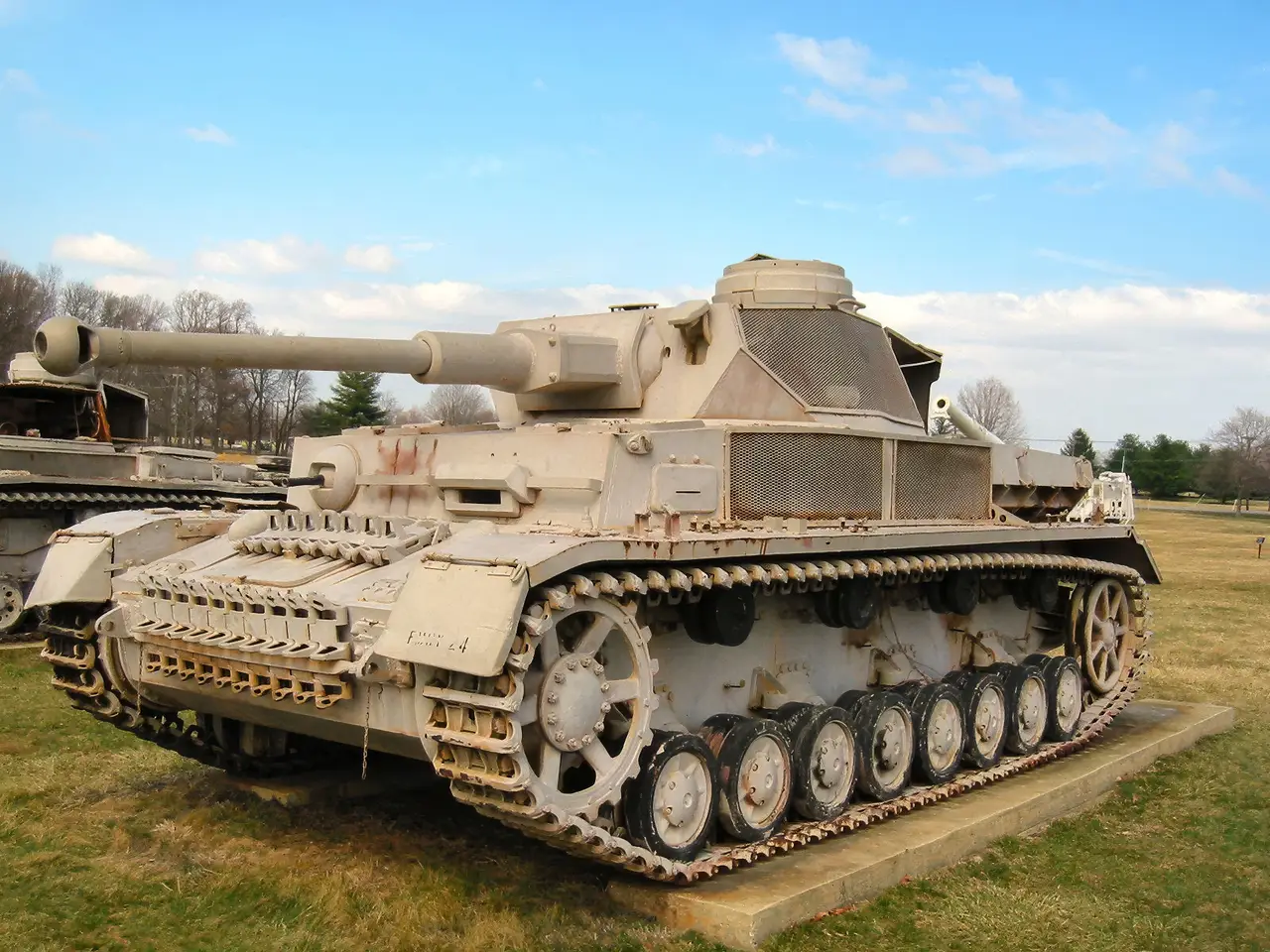
Panzer IV

Panzer IV vs T-34: Armor and Firepower Compared

The Panzer IV was the only German tank built without interruption from 1937 to 1945 — roughly 8,553 units, more than any other German armored vehicle of the war. What Was the Panzer IV? The
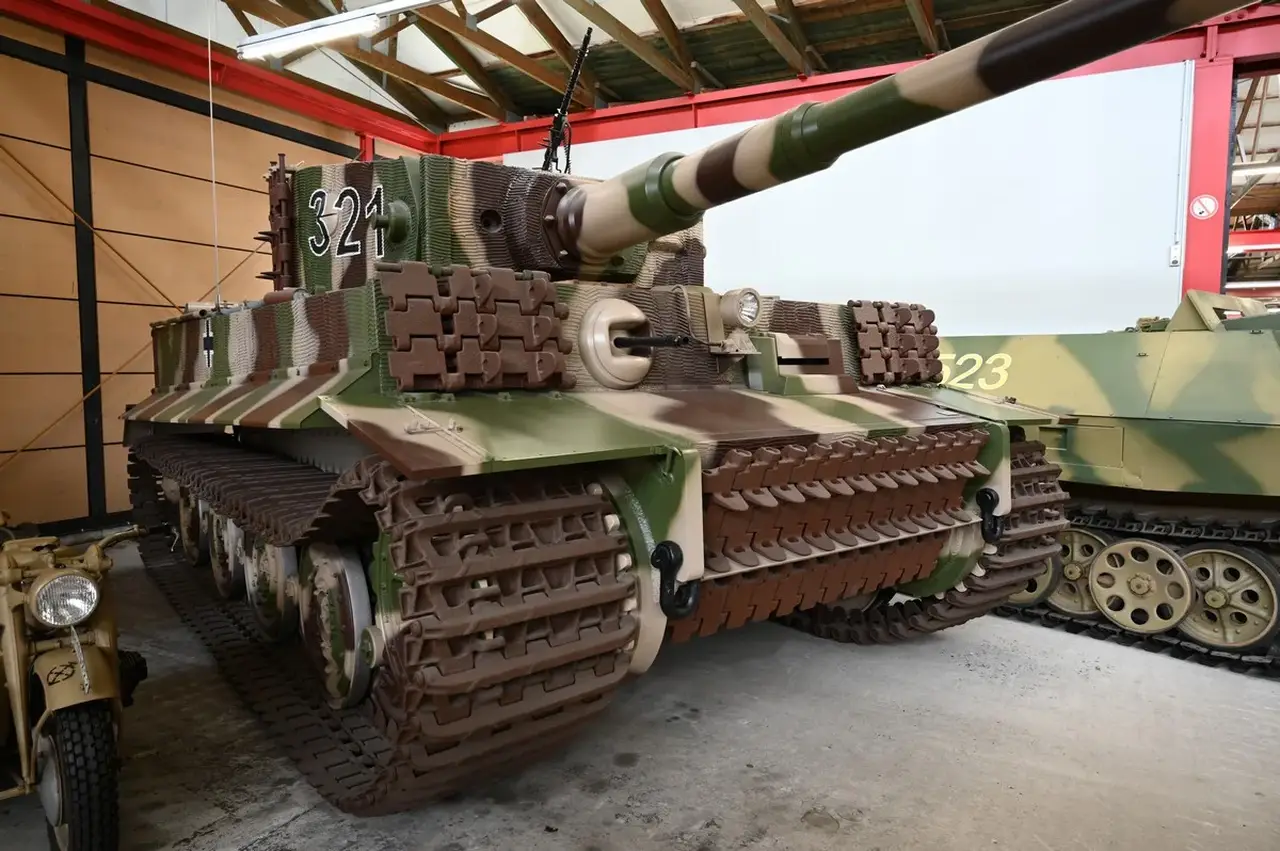
Tiger I

The WWII Tank Enemy Crews Feared Most

The Tiger I was Nazi Germany’s heavy tank, built around thick front armor and an 88mm gun. It hit hard but broke down often, and low output limited its real battlefield impact. Tiger I: Germany’s
Post Views: 10