
MiG-21: The Soviet Hunter That Refused to Be Stopped
The MiG-21 remains one of history’s most iconic fighter jets. Fast, simple, and feared, it defined Cold War air combat and still flies in select air forces today.
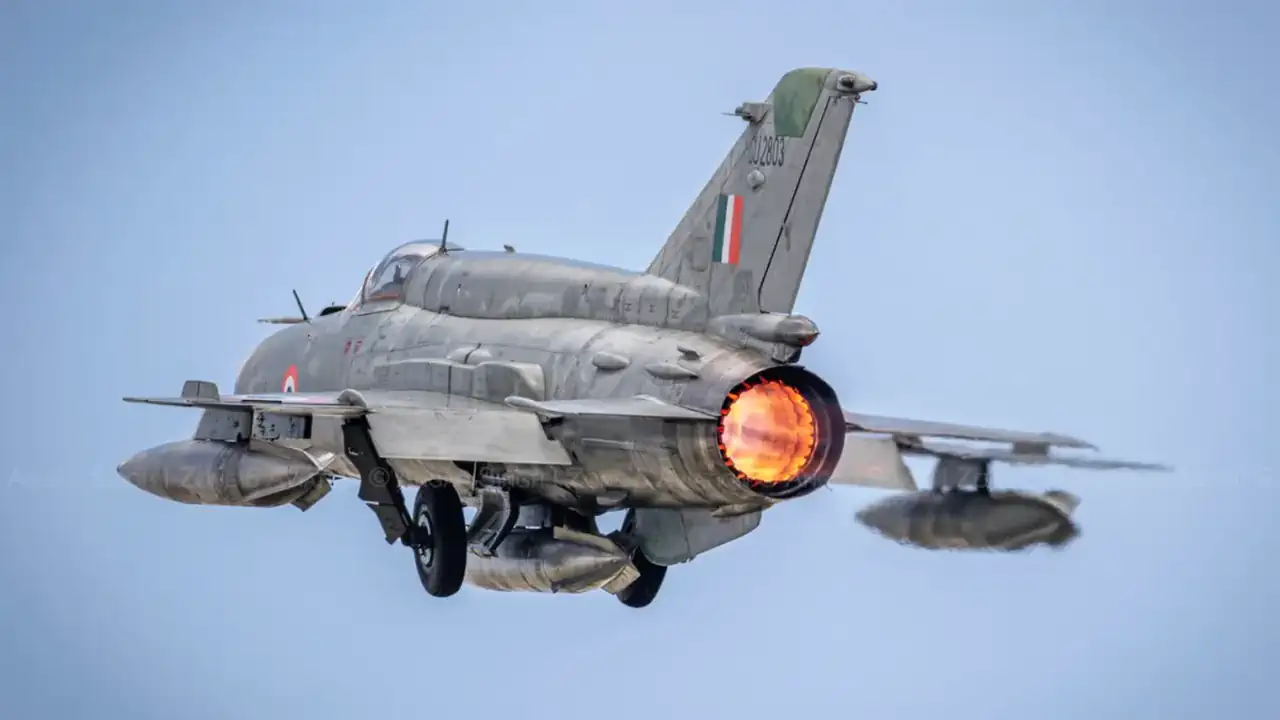
MiG-21: The Soviet Fighter That Defined an Era of Air Combat
Few aircraft carry the legacy of the MiG-21. Built in the Soviet Union during the height of Cold War tensions, this compact fighter went on to become the most mass-produced supersonic jet in aviation history, with over 11,000 units built and exported to more than 60 countries.
What Makes the MiG-21 So Significant
The MiG-21 is a Soviet-designed supersonic fighter built primarily for interception and close-range air combat. Its slender, pencil-shaped fuselage became one of the most recognizable silhouettes in 20th-century military aviation, instantly identifiable even to casual observers.
Origins and the Race for Air Superiority
The Mikoyan-Gurevich design bureau, known for producing several of the Soviet Union’s most successful combat aircraft, began work on the MiG-21 in the mid-1950s. The project emerged during an intense period of Cold War competition, when Moscow needed an interceptor that could scramble quickly and counter Western bombers.
Soviet engineers prioritized speed and simplicity over complexity. That decision proved strategic—it kept production costs low and made the aircraft easy to manufacture at scale, which explains why so many allied nations eventually adopted it.
From Prototype to Frontline Service
The MiG-21 took its first flight in 1955 and officially entered Soviet Air Force service in the early 1960s. Over the following decades, engineers introduced multiple upgrades that kept the airframe relevant well past its original design life, an unusual feat for a Cold War-era fighter.
Engineering, Avionics, and Onboard Systems
Delta wings and a single nose-mounted air intake defined the MiG-21’s aerodynamic profile. This layout maximized speed but left little internal room for advanced electronics—a tradeoff Soviet designers accepted in exchange for raw performance.
Early production models carried basic radar systems, reflecting a design philosophy that valued reliability and easy field maintenance over cutting-edge technology. Later variants added improved radar and navigation equipment, though they still lagged behind comparable Western fighters of the same era.
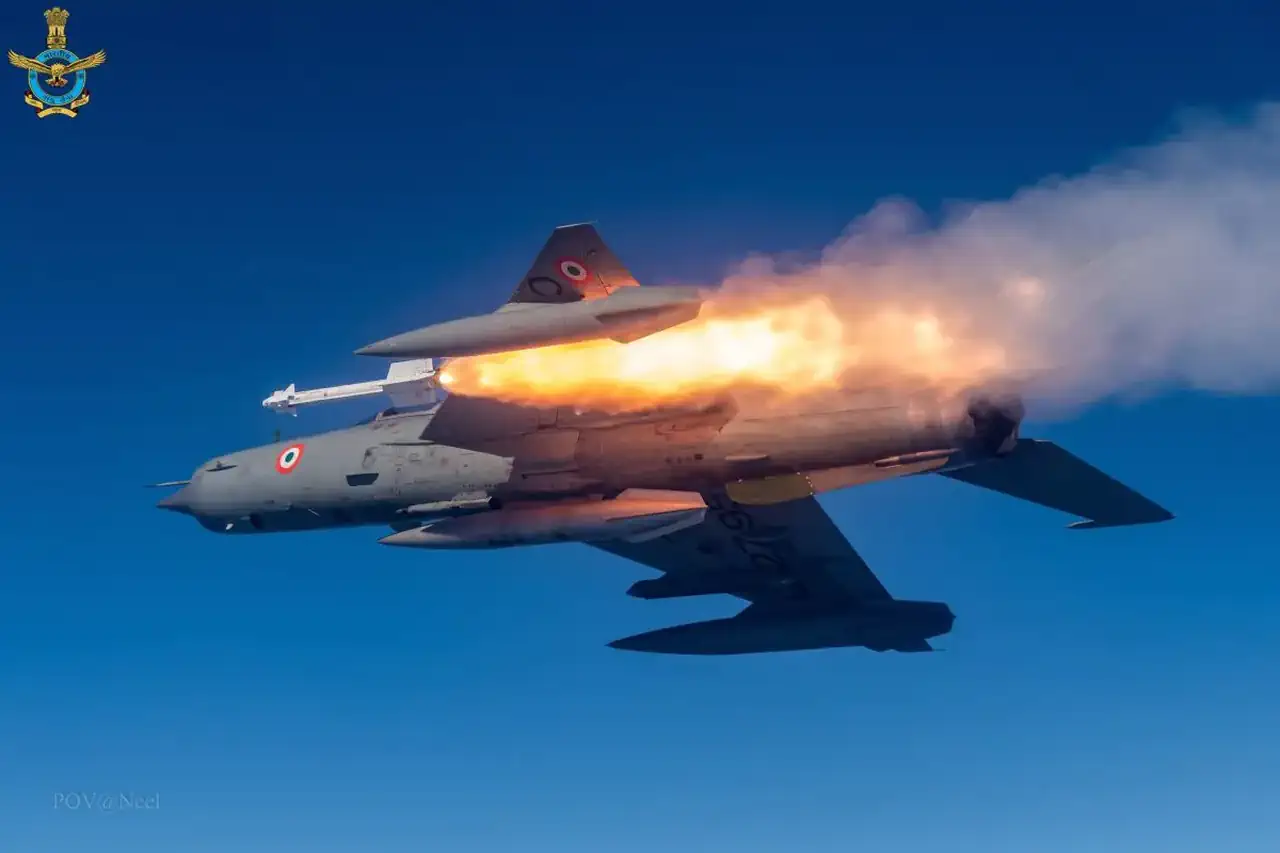
Weapons Systems and Combat Capability
Standard armament included internal cannons and short-range air-to-air missiles, with some configurations capable of carrying bombs for ground-attack missions. For its time, this loadout gave the MiG-21 solid offensive punch, particularly in close-quarters dogfights where its agility shined.
Speed, Agility, and Operational Efficiency
The MiG-21’s lightweight airframe allowed it to reach speeds exceeding Mach 2. Combined with low operating costs and straightforward maintenance requirements, this made it an attractive option for air forces working with limited defense budgets.
Technical Specifications at a Glance
| Specification | Approximate Value |
|---|---|
| Maximum speed | Mach 2.05 |
| Service ceiling | 57,400 feet |
| Combat range | 683 miles |
| Crew | 1 pilot |
Figures vary depending on the specific variant.
Battlefield History and Major Conflicts
The MiG-21 saw action in numerous high-profile conflicts, including the Vietnam War and the Six-Day War in the Middle East. Over Vietnamese skies, it frequently clashed with American F-4 Phantoms—despite its simpler electronics, the MiG-21’s tight turning radius often gave North Vietnamese pilots an edge in close-range engagements.
Strengths and Limitations
Strengths:
Low production and maintenance costs
Exceptional agility in close combat
Simple operation from austere airfields
Limitations:
Limited fuel range and endurance
Less sophisticated avionics than Western rivals
Restricted cockpit visibility
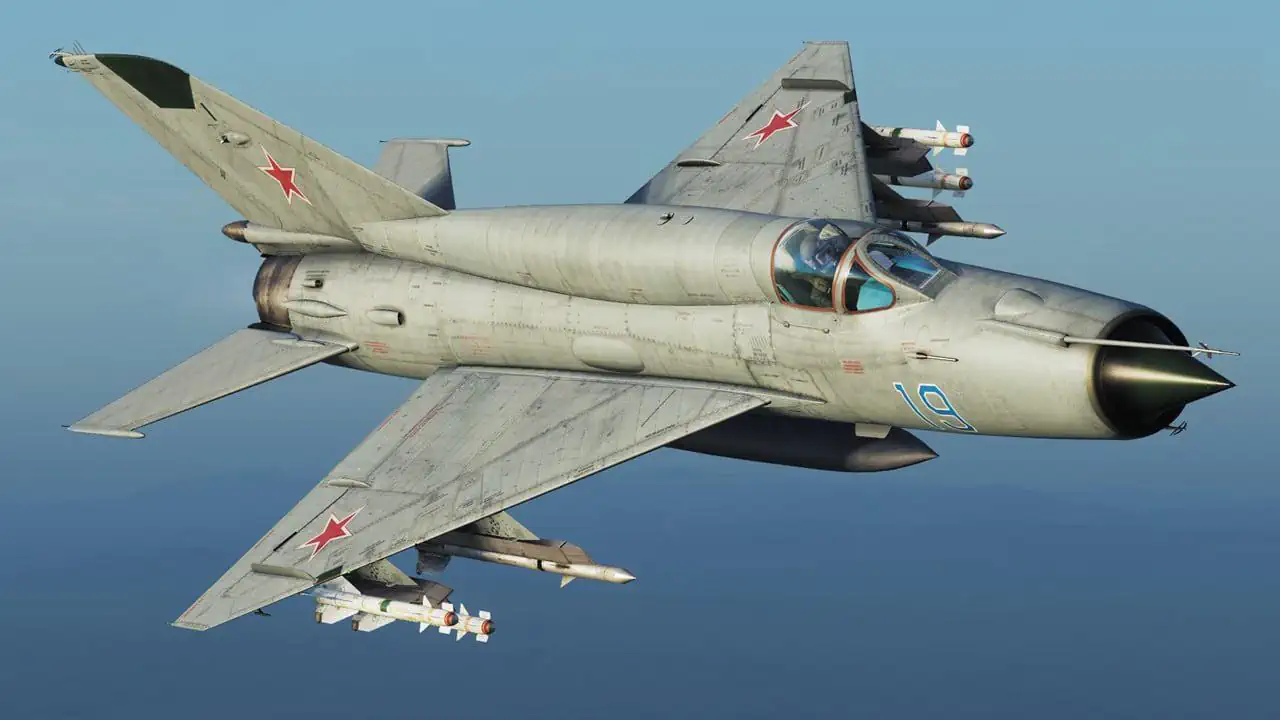
MiG-21 vs F-4 Phantom: A Cold War Rivalry
Throughout the Cold War, the MiG-21’s most notable adversary was the American-built F-4 Phantom. Where the MiG-21 relied on light weight and maneuverability, the Phantom countered with greater raw power, superior radar, and heavier weapons capacity.
| Feature | MiG-21 | F-4 Phantom |
|---|---|---|
| Top speed | Mach 2.05 | Mach 2.23 |
| Radar system | Basic | Advanced |
Variants and Modernization Efforts
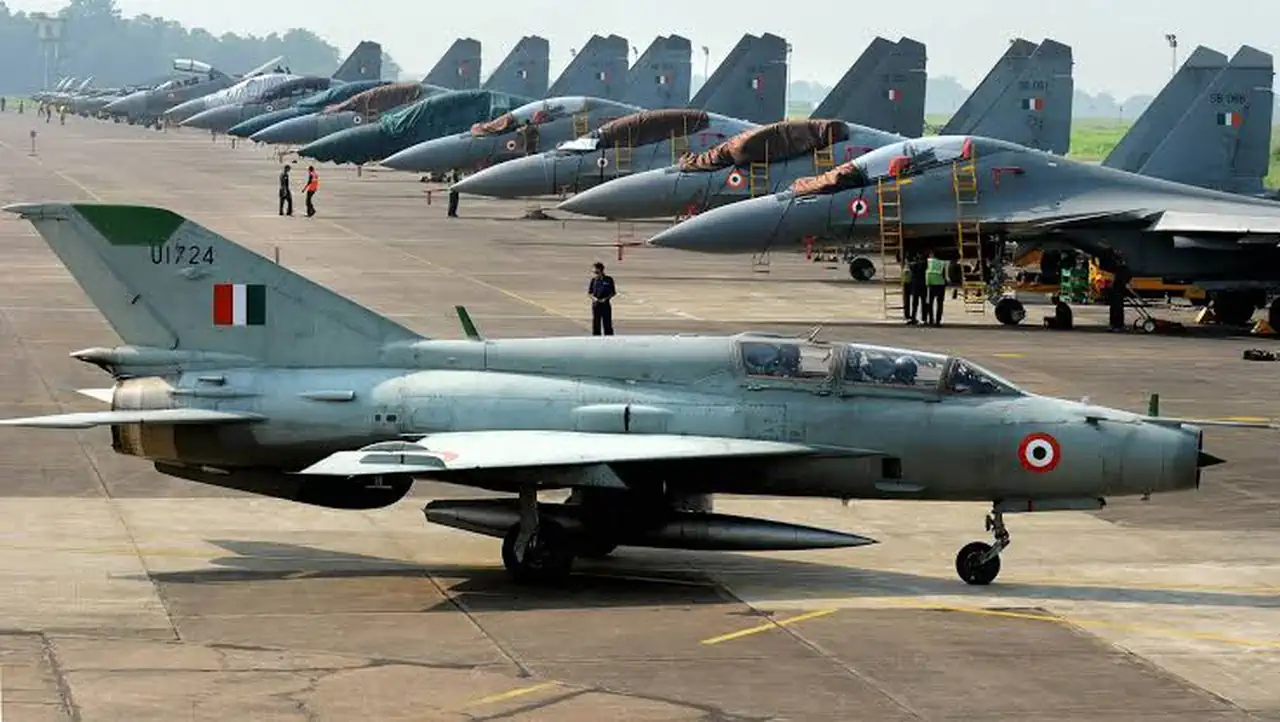
Over its production run, the MiG-21 evolved through numerous variants featuring upgraded radar, extended fuel capacity, and modernized navigation systems. Some of these updated versions remain in limited service today, notably with the Indian Air Force and a handful of African nations.
Notable Facts Worth Knowing
With more than 11,000 units built, the MiG-21 holds the record as the most-produced supersonic jet fighter in history. It also served in the air forces of over 60 countries—a distribution record that few military aircraft have ever matched.
Lasting Military and Technological Influence
The MiG-21’s design philosophy influenced generations of fighter development that followed, demonstrating that combat effectiveness doesn’t always require maximum technological complexity. Its emphasis on simplicity and reliability became a benchmark for cost-conscious military aviation programs worldwide.
Frequently Asked Questions
Is the MiG-21 still in service today?
Yes, several air forces, including India’s, continue operating modernized versions in limited numbers.
How fast can the MiG-21 fly?
It reaches approximately Mach 2.05, more than twice the speed of sound.
Did the MiG-21 fight in the Vietnam War?
Yes, North Vietnamese forces used it extensively against American aircraft, including the F-4 Phantom.
How many MiG-21s were produced in total?
Over 11,000 units, making it the most mass-produced supersonic fighter jet ever built.
Who was the MiG-21’s main rival during the Cold War?
The American F-4 Phantom, which it frequently encountered in aerial combat over Vietnam.
Final Verdict
The MiG-21 stands as a defining chapter in military aviation history. Simple, agile, and cost-effective, it proved that combat performance doesn’t always hinge on advanced technology. Decades after its introduction, it remains one of the most influential fighter jets ever built.

Joseli Lourenço
07/06/2026