The WWII Tank Enemy Crews Feared Most
The Tiger I was Nazi Germany’s heavy tank, built around thick front armor and an 88mm gun. It hit hard but broke down often, and low output limited its real battlefield impact.
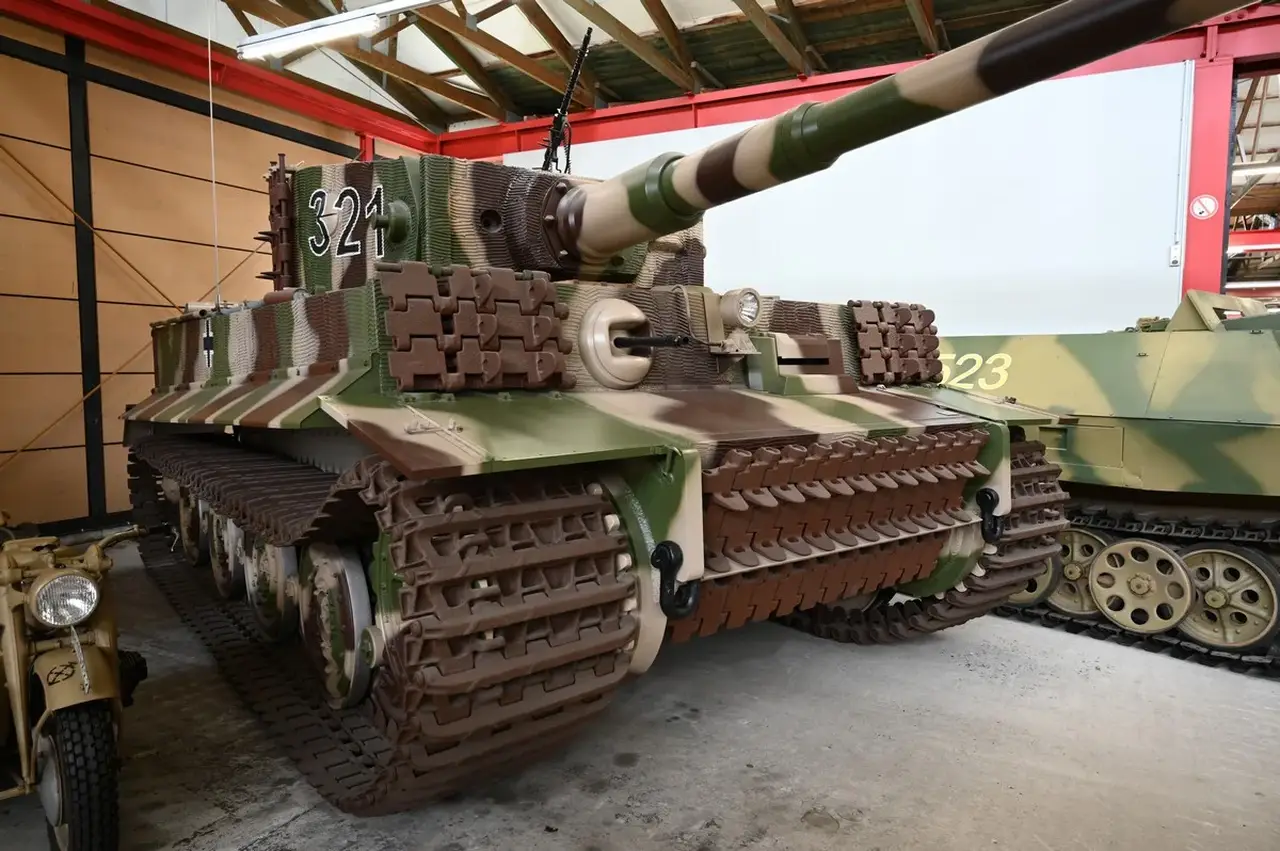
Tiger I: Germany’s Heavy Tank That Outgunned Its Rivals
The Tiger I paired an 88mm gun with 100mm of frontal armor. That combination made it one of the most dangerous tanks fielded by any side in World War II.
Built by Henschel und Sohn in Kassel, the Tiger I entered production in August 1942. It served with the German Army and Waffen-SS heavy tank battalions until the war’s final months.
Each Tiger carried a five-man crew: commander, gunner, loader, driver, and radio operator. That extra crew slot, compared to lighter tanks, split up the workload and kept the gunner focused purely on aiming and firing.
Origins and Wartime Context
German planners started sketching a heavy breakthrough tank as early as 1937, worried about increasingly well-armored enemy vehicles. Henschel and Porsche both submitted competing designs for a roughly 45-ton tank.
Hitler reviewed both prototypes in April 1942. Henschel’s design won the contract, and full production started that August in Kassel.
From Prototype to the Front Lines
The Tiger I’s combat debut came in September 1942 near Leningrad on the Eastern Front. Early transmission failures plagued the first vehicles sent into action.
By December 1942, Tigers were also fighting in Tunisia, marking their first clashes with Western Allied forces. Through 1943 and 1944, they saw action in Ukraine, Poland, Italy, Normandy, the Netherlands, and the Ardennes — including the massive tank battle at Kursk in July 1943.
Production ended in August 1944 as Germany shifted output to the Tiger II.
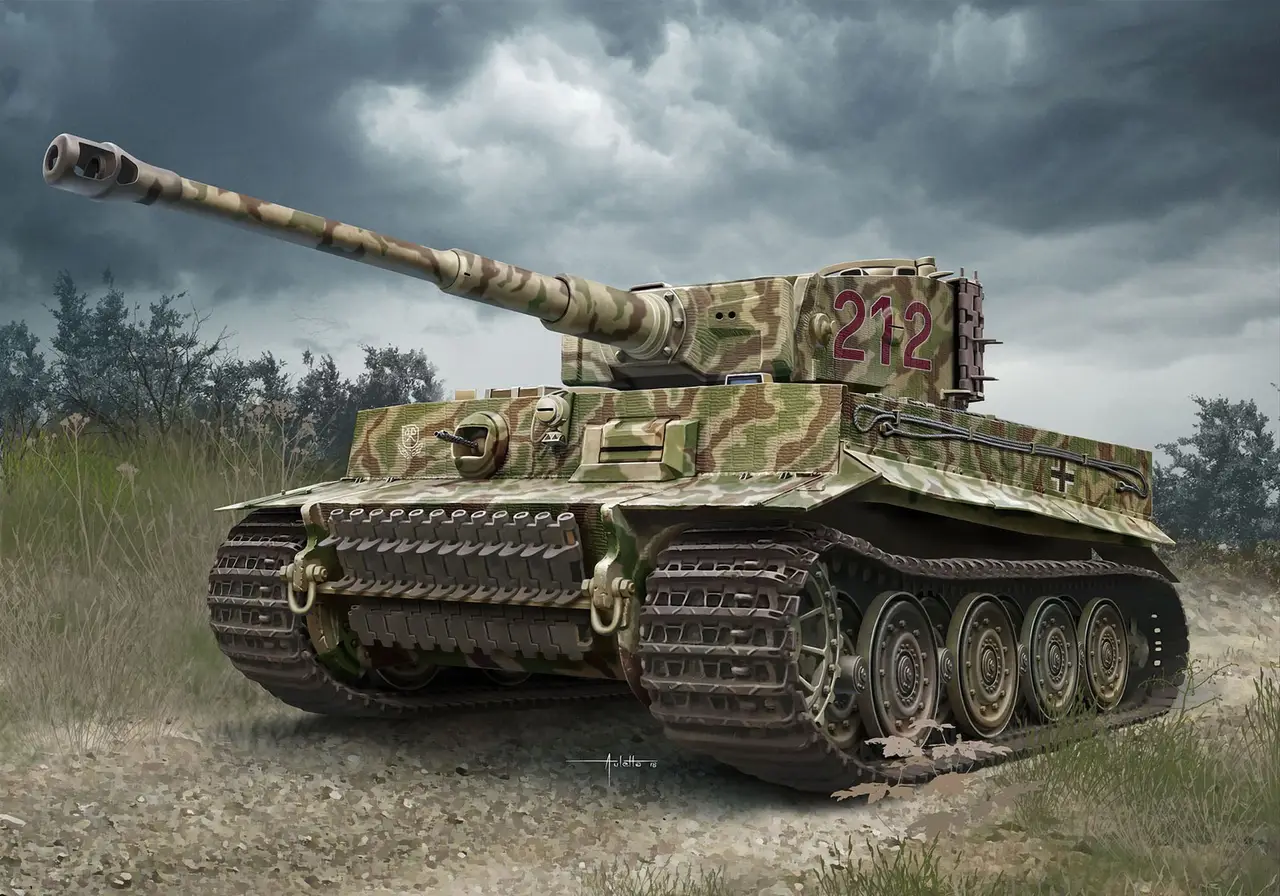
Armor, Gun, and Powertrain: What Made the Tiger I Tick
The Tiger I’s hull was welded from homogeneous steel plate, topped by an angular turret with thick armor on every face. Front armor ran 100mm on both hull and turret, with the gun mantlet reaching up to 120mm.
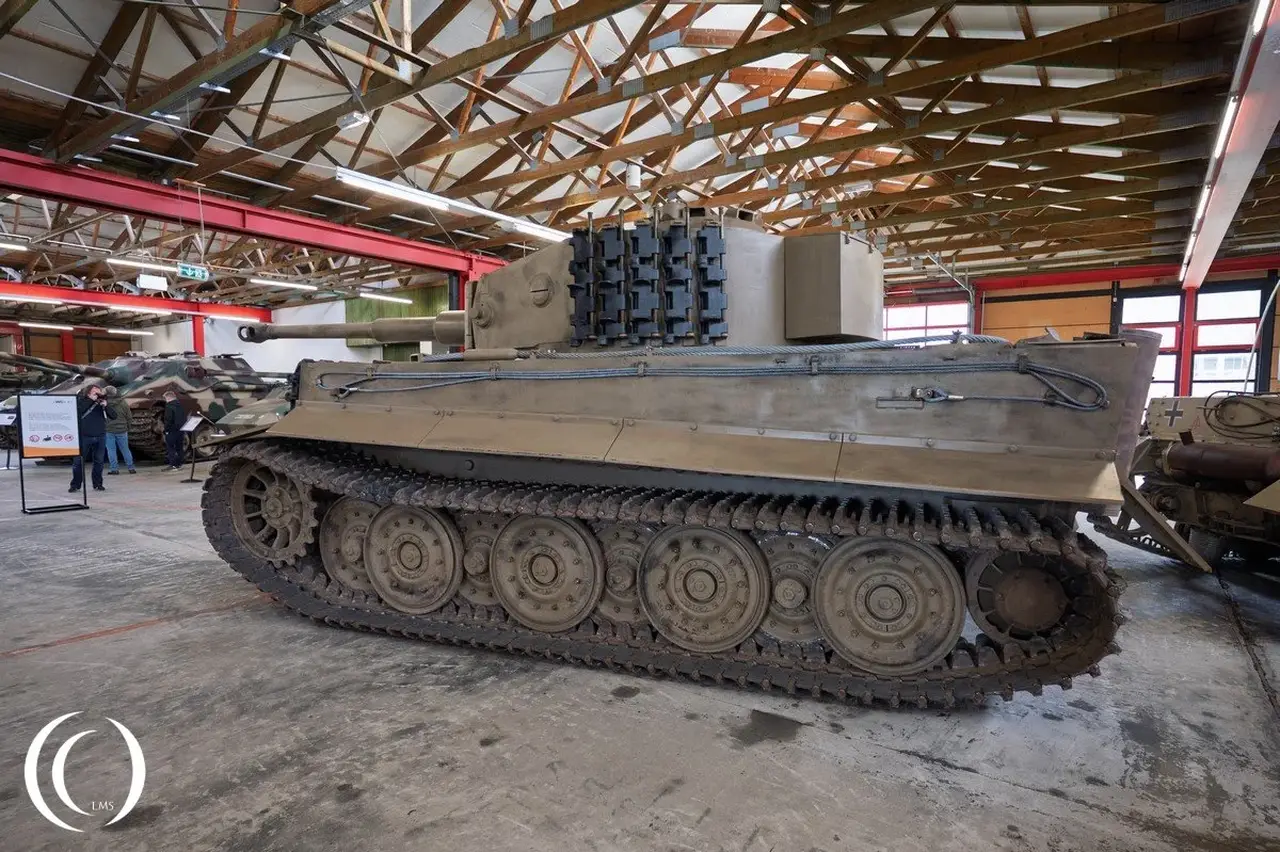
Side armor dropped to 80mm, though — a real weak point that Allied flanking attacks, mines, and anti-tank guns exploited throughout the war.
The suspension used torsion bars and overlapping road wheels. That layout spread weight evenly and smoothed the ride, but it turned routine maintenance into a nightmare, especially in mud, snow, or debris-clogged terrain.
There was no radar, no thermal sights, no ballistic computer — none of that existed for tanks in the 1940s. Crews relied on optical sights and radio for coordination, standard for the era.
Firepower: The 88mm KwK 36
The Tiger I’s main weapon was the 8.8cm KwK 36 L/56, adapted from the ballistics of the famous 88mm Flak anti-aircraft gun. It carried 92 rounds and could punch through 100mm of armor at ranges up to 1,000 meters, per Tank Museum figures.
Secondary armament consisted of two 7.92mm MG 34 machine guns — one coaxial, one hull-mounted and operated by the radio man.
Specs at a Glance
| Spec | Value |
|---|---|
| Combat weight | 54–57 tons |
| Engine | Maybach HL 210/HL 230 (650–700 PS) |
| Top road speed | 28.2 mph (45.4 km/h) |
| Road range | 121 miles (195 km) |
| Frontal armor | 100mm (hull and turret) |
| Main gun | 88mm KwK 36 L/56 |
Battlefield Performance
On firm ground, the Tiger I handled well tactically. But its weight and fuel appetite made long road marches punishing, and strategic mobility suffered — moving Tigers by rail or recovering broken-down ones required serious engineering support.
Reliability was the tank’s Achilles’ heel. Transmission failures were common, and the Tank Museum notes a documented tendency toward engine fires.
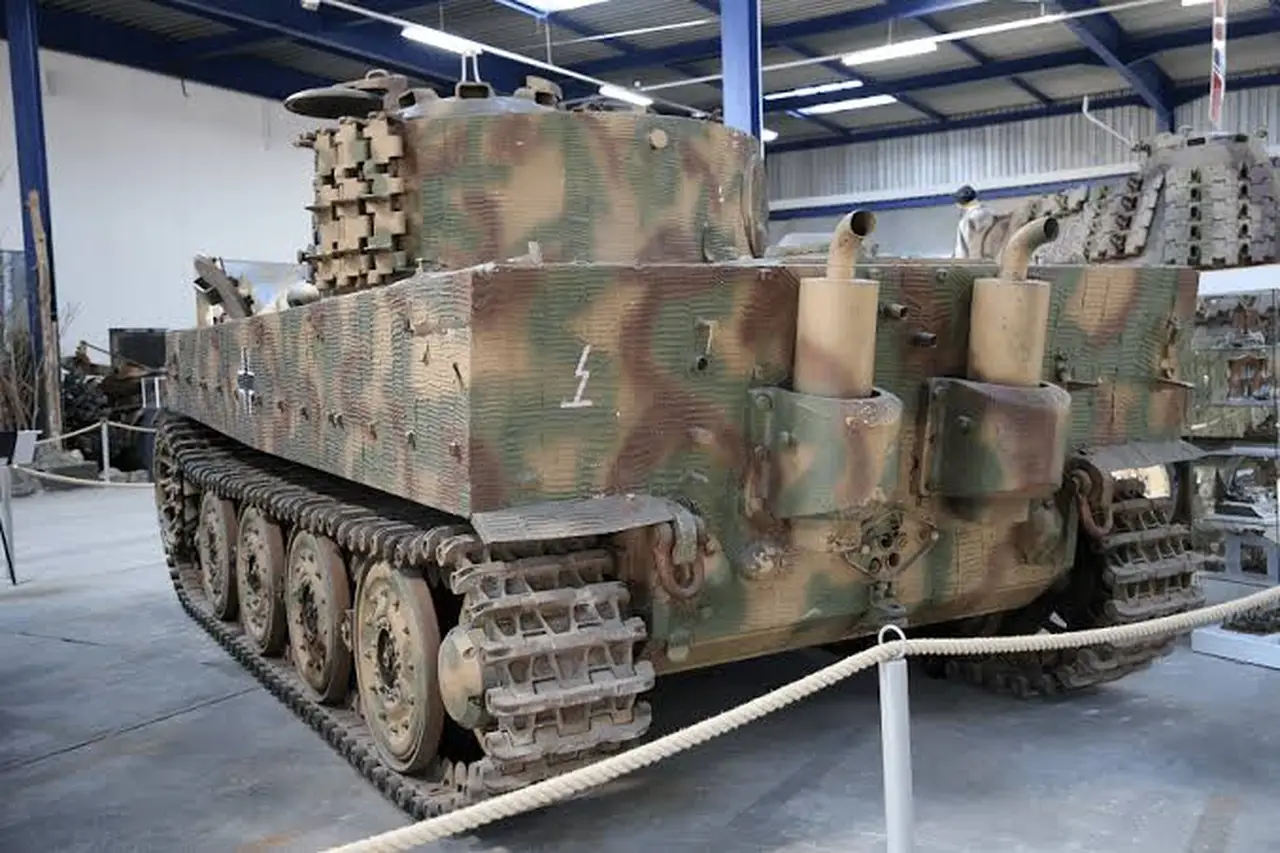
Strengths, Weaknesses, and How It Stacked Up Against Rivals
The Tiger I’s core strengths were straightforward: heavy front armor, a gun that outranged most opponents, and a serious psychological effect on enemy crews who spotted one.
The weaknesses were just as clear. Heavy fuel consumption, complicated suspension maintenance, and limited output — somewhere between 1,347 and 1,355 units built, depending on the source — kept the Tiger from ever being a war-winning weapon on its own.
Tiger I vs. M4 Sherman: The Defining Matchup
The Tiger I’s most talked-about rival is the American M4 Sherman, a medium tank built in vastly greater numbers.
| Category | Tiger I |
|---|---|
| Weight | 54–57 tons |
| Main gun | 88mm |
| Units built | ~1,350 |
| Category | M4 Sherman |
|---|---|
| Weight | 30–38 tons |
| Main gun | 75mm or 76mm |
| Units built | Tens of thousands |
One-on-one, the Tiger usually won on armor and firepower. But the Sherman’s numbers, simpler logistics, and easier field repairs proved decisive at the campaign level — a pattern that repeated across most Tiger engagements.
Other notable rivals included the Soviet T-34 and IS-2, the latter packing a 122mm gun, along with the British Churchill.
Variants and Notable Facts
The Tiger I never had a large family of formal variants. The two worth knowing are the Panzerbefehlswagen Tiger, a command version with extra radios, and the Sturmtiger, an assault vehicle built on the same chassis and armed with a 380mm rocket mortar.
Porsche’s losing prototype design didn’t go to waste — its chassis was repurposed for the Ferdinand/Elefant tank destroyer.
Today, Tiger 131, captured in Tunisia in April 1943, is recognized by the UK’s Tank Museum as the only running Tiger I left in the world.
Frequently Asked Questions
How many Tiger I tanks were built? Between 1,347 and 1,355, depending on the source, produced from August 1942 to August 1944.
What gun did the Tiger I use? The 8.8cm KwK 36 L/56, capable of penetrating 100mm of armor at 1,000 meters.
Was the Tiger I reliable? Not especially. It suffered frequent transmission failures, heavy fuel use, and demanding maintenance.
Is there a working Tiger I today? Yes — Tiger 131, preserved and operational at the Tank Museum in Bovington, UK.
What was the Tiger I’s main rival? The American M4 Sherman, along with the Soviet T-34 and IS-2 at different points in the war.
Bottom Line
The Tiger I delivered real firepower and protection advantages when it faced most Allied tanks one-on-one. But mechanical complexity, heavy fuel demands, and limited production numbers kept that edge from turning into a decisive strategic advantage for Germany.

Joseli Lourenço
08/17/2026