The Soviet Tank Built Roughly 50,000 Times Over
The T-72 is a Soviet main battle tank with a 125mm gun and autoloader that cuts crew size to three, still fighting and being upgraded in Ukraine today.
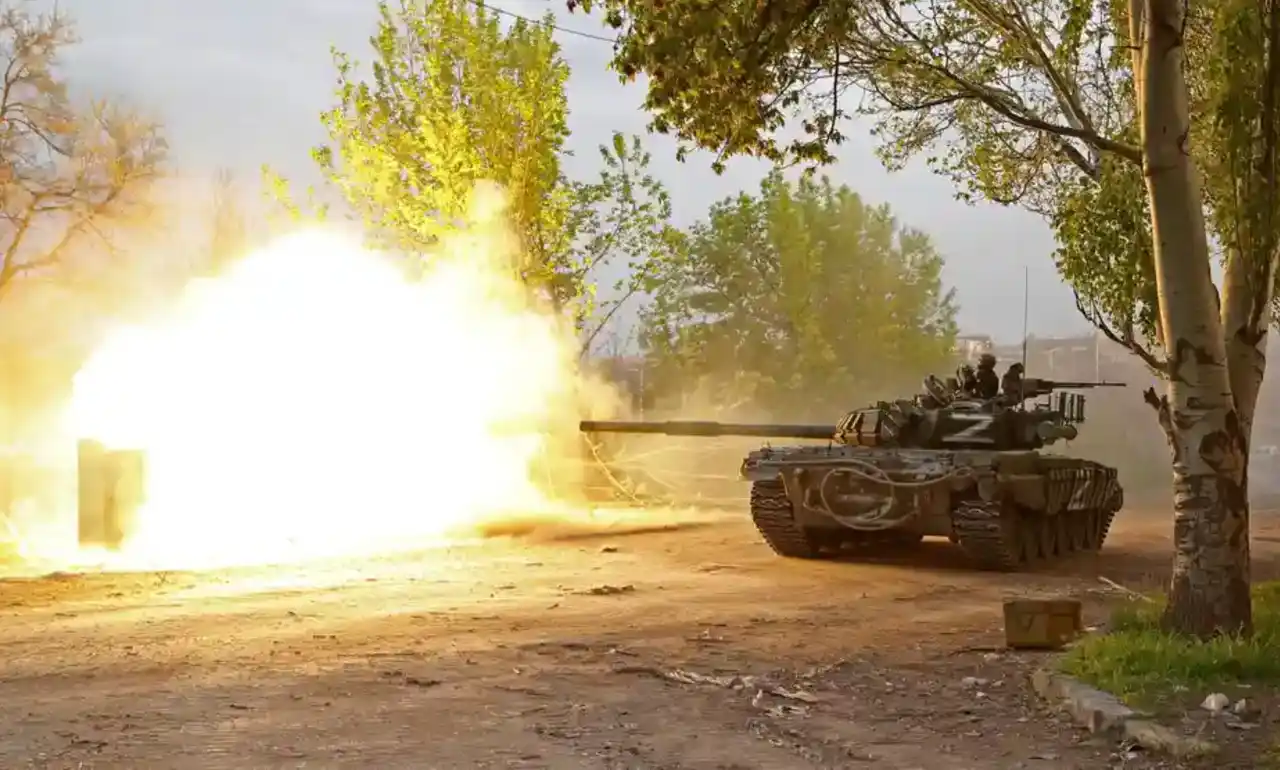
What Is the T-72 and Where Did It Come From?
The T-72 is a Soviet-designed main battle tank (MBT) that entered production in 1972 at the Uralvagonzavod plant in Nizhny Tagil.
It grew out of the Obiekt 172 program, built as a cheaper, simpler alternative to the T-64 while keeping the 125mm gun and autoloader.
More than fifty years later, it remains one of the most widely fielded tank platforms on Earth, built under license and locally upgraded across dozens of countries.
How Many Crew Members Does the T-72 Need?
Just three: a commander, gunner, and driver.
The autoloader handles the job a fourth crewman would normally do on other tanks. That cuts crew exposure inside the turret, but analysts also flag it as a weak point when the hull is penetrated.
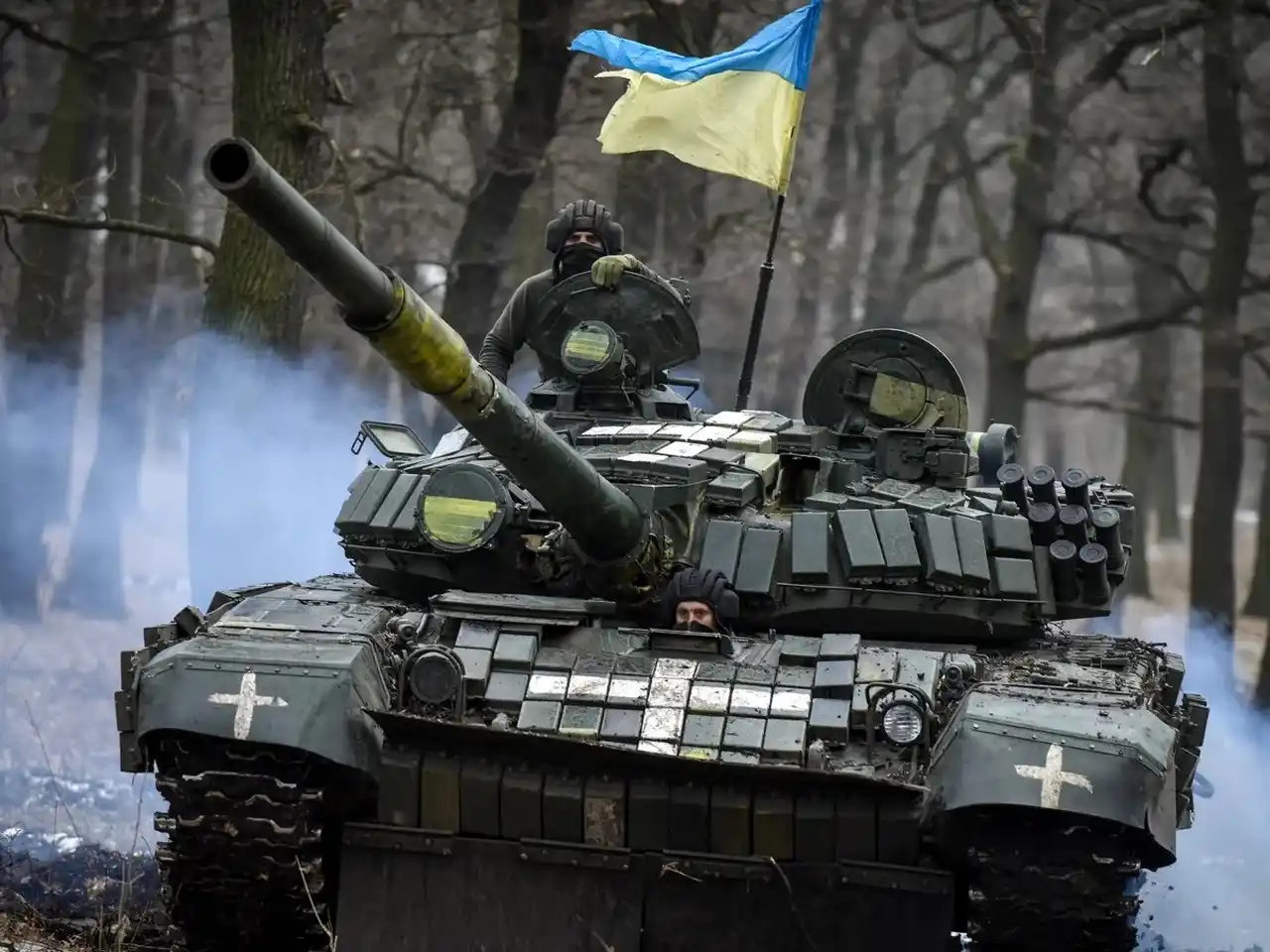
What Are the T-72’s Core Specs?
There’s no single spec sheet, because engine output, armor, and sensors shift significantly across variants.
Using the T-72B as a baseline, combat weight runs up to 44.5 tons, with a top road speed of 60 km/h (37 mph) and roughly 500 km (311 miles) of range.
| Spec | Reference |
|---|---|
| Main gun | 125mm, 2A46 family |
| Engine (T-72B) | V-84, 840 hp |
| Engine (T-72B3M) | V-92S2F, 1,130 hp |
How Much Ammo Does the Autoloader Carry?
Specialist sources cite 22 rounds ready in the carousel, with total onboard capacity reaching 45 rounds in some configurations.
The system feeds APFSDS, HEAT-FS, and high-explosive rounds, and compatible variants can also fire the 9M119 Svir guided missile through the main gun.
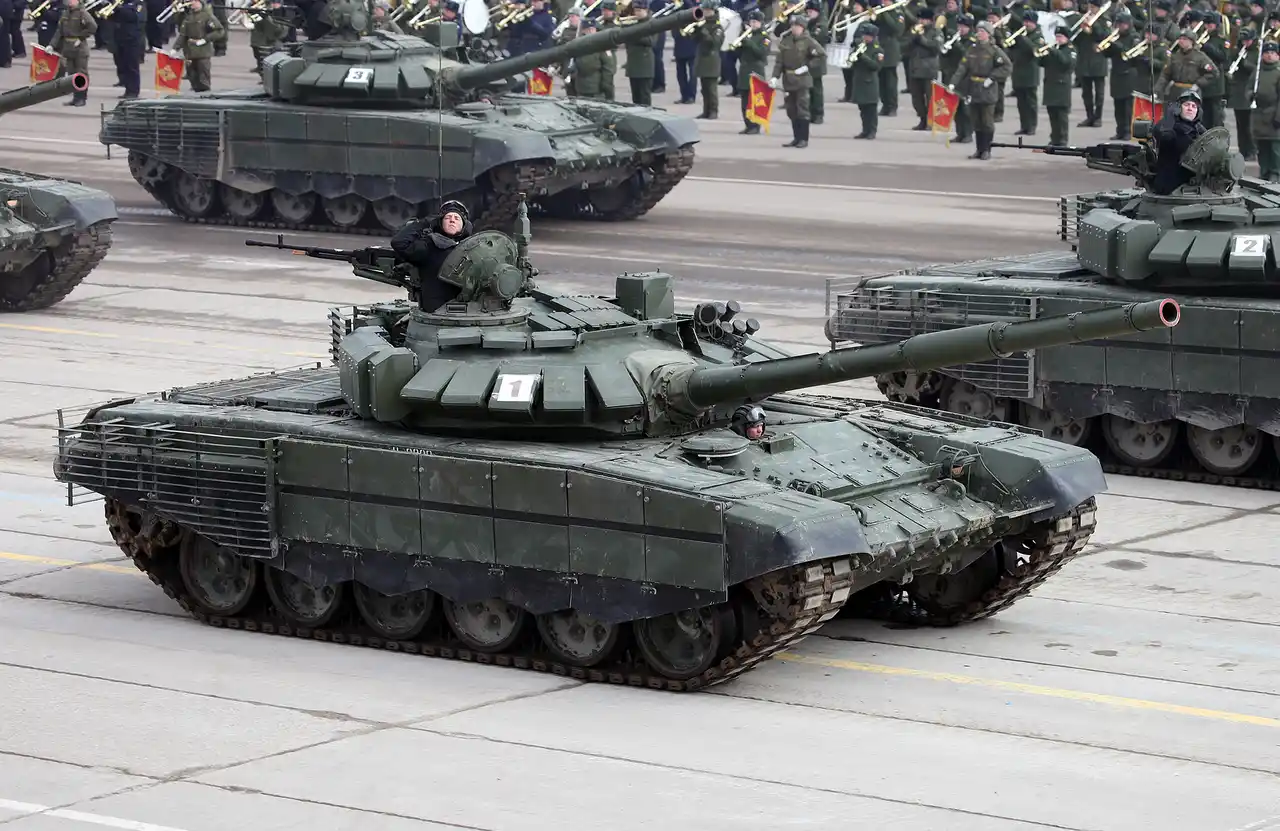
How Does the T-72 Perform in Combat?
Performance depends heavily on the variant, the operator, and maintenance standards — there’s no single verdict that applies across the board.
During the 1991 Gulf War, export-model Iraqi T-72s faced overwhelming coalition air power and tech, coming out clearly outmatched by M1A1 Abrams tanks at the Battle of 73 Easting.
In the current Russia-Ukraine war, T-72 variants remain relevant due to sheer numbers and how easily they integrate into existing fleets for repair and upgrade.
A CSIS analysis from May 2025 estimated Russia had lost roughly half its modernized T-72B3 and T-72B3M tanks since the start of the full-scale invasion.
What Are the T-72’s Strengths and Weaknesses?
Its biggest strengths are a low profile, small crew, and a versatile 125mm gun.
Standing around 2.2 meters tall, the T-72 presents a smaller target than many rival tanks, making it harder to spot and hit.
On the downside, the carousel autoloader is a recurring concern: when the armor is breached, stored ammunition raises the risk of a catastrophic internal explosion, though severity depends on multiple factors.
Fleet consistency is another issue — an unupgraded early T-72 offers far less protection and sensor capability than a modern T-72B3M.
T-72 vs Leopard 2: Which Tank Has the Edge?
In armor and onboard electronics, the Leopard 2 generally outclasses most fielded T-72s, especially older, non-upgraded models.
The T-72 counters with a lighter chassis, lower production cost, and a smaller crew thanks to its autoloader.
The gap narrows with modernized variants like the T-72B3M, though outcomes still hinge on maintenance quality and crew training.
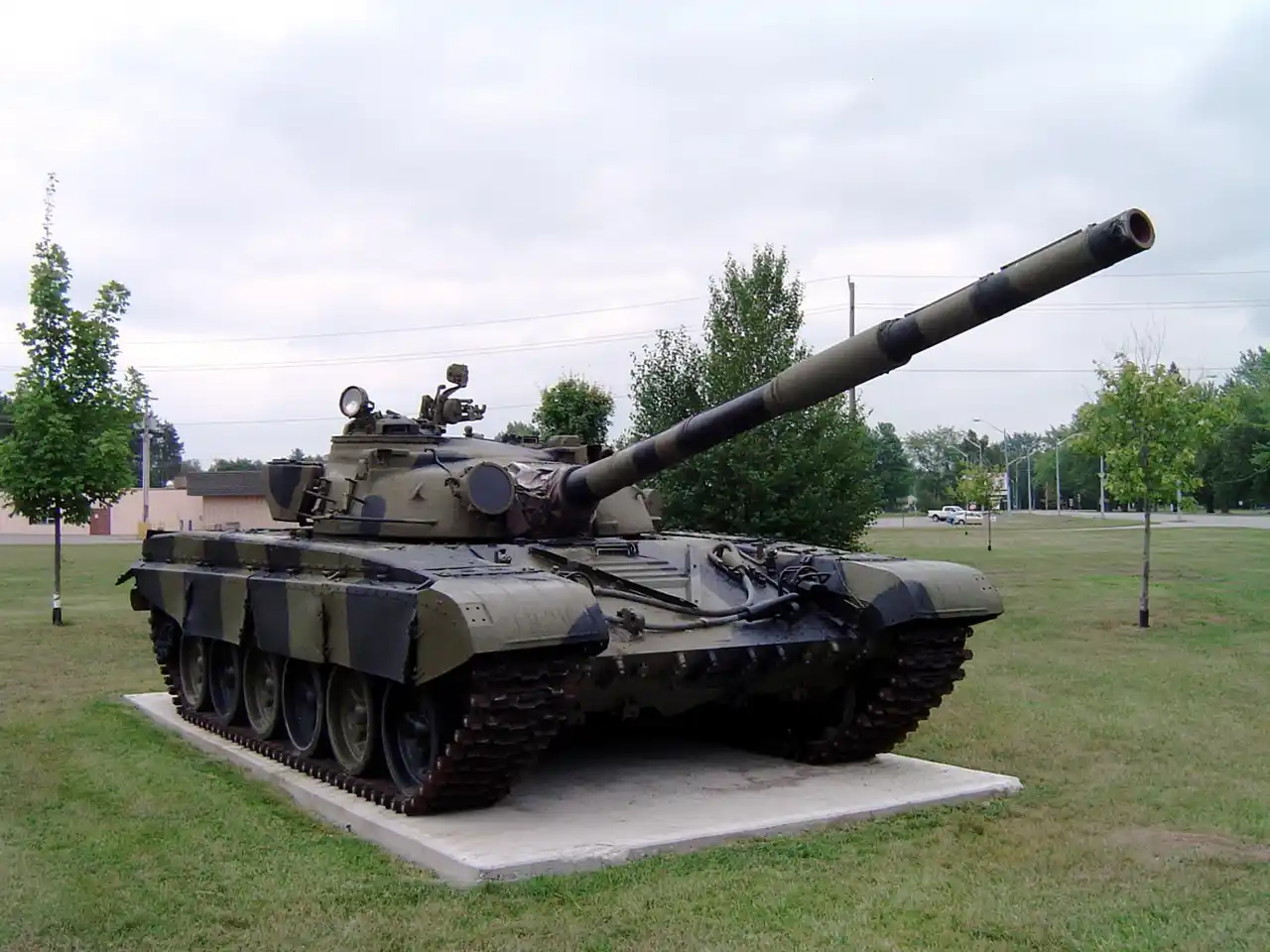
T-72 FAQ
Is the T-72 still in production?
Not at 1970s-80s scale, but active upgrade programs continue, mainly in Russia.
How many T-72s were built?
Open-source estimates vary; one specialist source cites roughly 50,000 units, though that figure isn’t officially confirmed.
How much does a T-72 cost?
No official price exists — cost depends on variant, condition, upgrades, and contract terms.
Can the T-72 fire guided missiles?
Yes, compatible variants can launch the 9M119 Svir guided missile through the main gun.
The Verdict: A 1972 Design Still Shaping 2026 Battlefields
The T-72 isn’t cutting-edge anymore, but its numbers, cost, and upgrade potential keep it relevant.
Its core strength is simplicity: a powerful gun, lean crew, and mass production.
Its core weakness is inconsistency — what’s true of a T-72B3M doesn’t apply to an unupgraded 1970s model still in service today.

Joseli Lourenço
08/10/2026