The Legendary Warbird Still Flying Over England Today
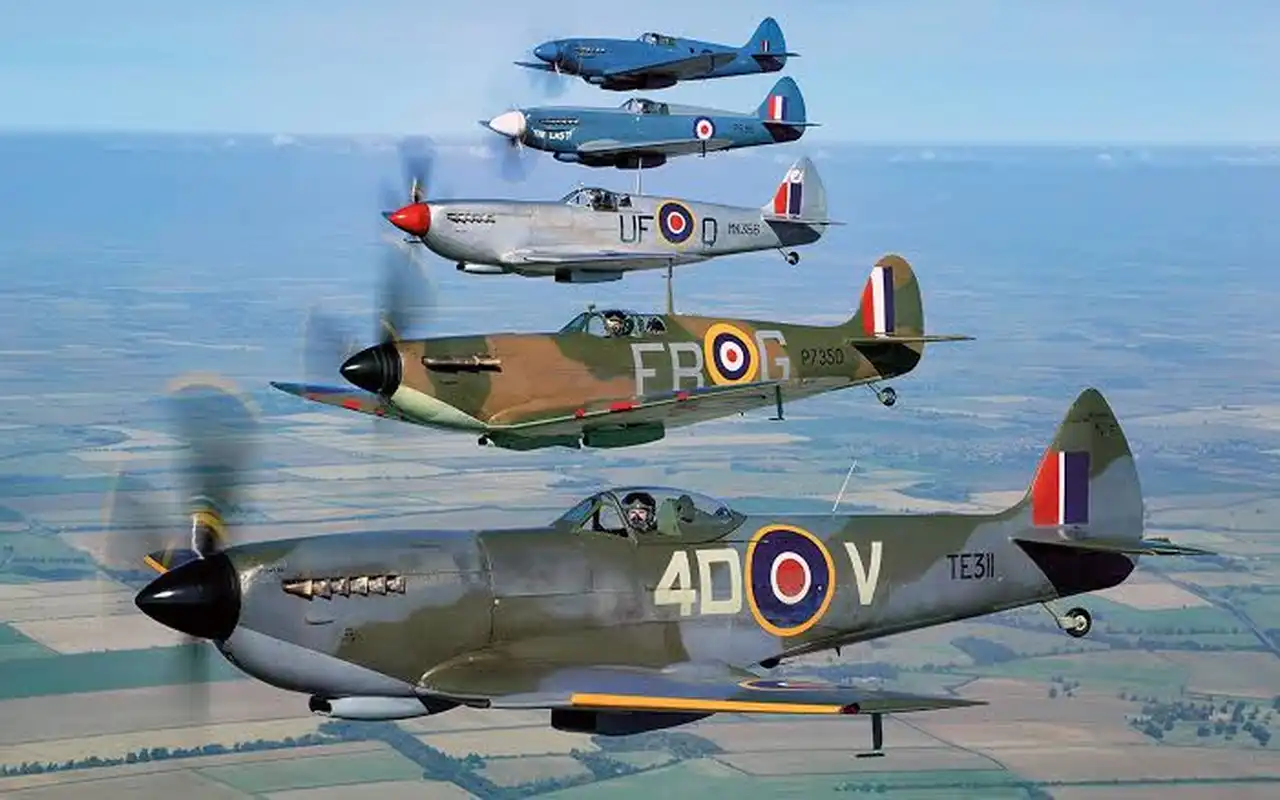
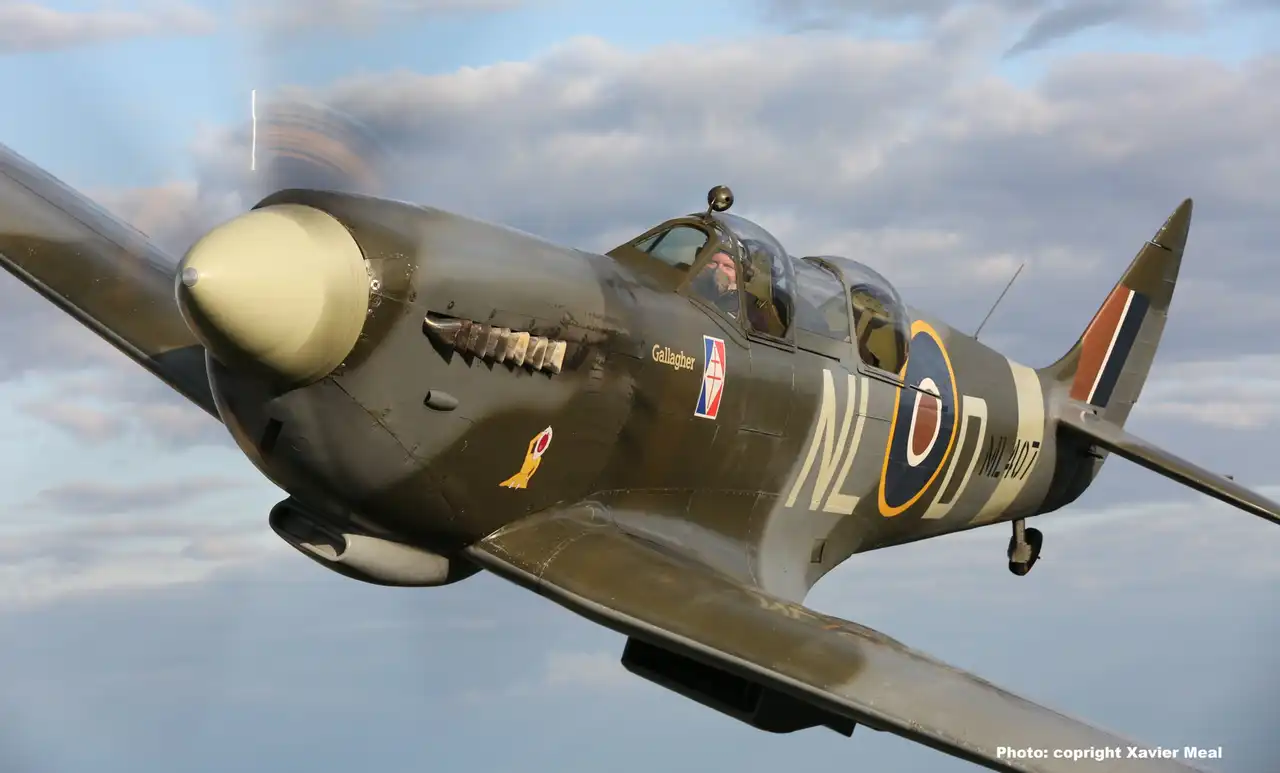
The Supermarine Spitfire was Britain’s iconic WWII fighter, forged in the Battle of Britain and remembered as one of aviation history’s most enduring symbols of resistance.
What the Supermarine Spitfire Was
The Supermarine Spitfire is a British single-seat fighter aircraft, built by Supermarine, that officially joined Royal Air Force service on August 4, 1938. Its core mission was air superiority and interception, though certain variants later took on reconnaissance and fighter-bomber roles as well.
The design first appeared publicly at the RAF Display in Hendon back in 1936, well before production models reached front-line squadrons. By the outbreak of World War II, the RAF already had nine squadrons flying the Spitfire, and that number climbed to nineteen Mk I squadrons by July 1940 — right on the eve of the Battle of Britain.
Engineering and Technical Evolution
What began as a high-performance fighter for its era kept getting sharper through continuous refinement. Two upgrades stand out: constant-speed propellers and 100-octane fuel, both of which gave the aircraft a real edge once introduced.
It’s worth being upfront about what the Spitfire didn’t have. As a wartime design from the 1930s and 40s, it carried none of the sensor suites, radar systems, or electronic warfare tools found on modern combat aircraft — technology that simply didn’t exist for fighters at the time.
Firepower and Offensive Capability
Armament wasn’t fixed across the Spitfire family; it shifted from one variant to the next. The Mk VB, one of the better-documented versions, could carry two 20mm cannons and four .303 machine guns, with the option of external ordnance — either one 500lb bomb or two 250lb bombs.
In broad terms, the primary armament combined cannons and machine guns, while bombs served as secondary armament on fighter-bomber configurations. No single, complete list of every armament configuration across all variants appears in the available documentation.
Spitfire Specifications: A Range, Not a Fixed Set
Because the Spitfire went through so many production changes, the figures below reflect documented ranges across variants rather than a single fixed spec sheet.
| Specification | Range |
|---|---|
| Top speed | 360–450 mph |
| Range | 395–460 miles |
| Loaded weight | 5,780–12,750 lbs |
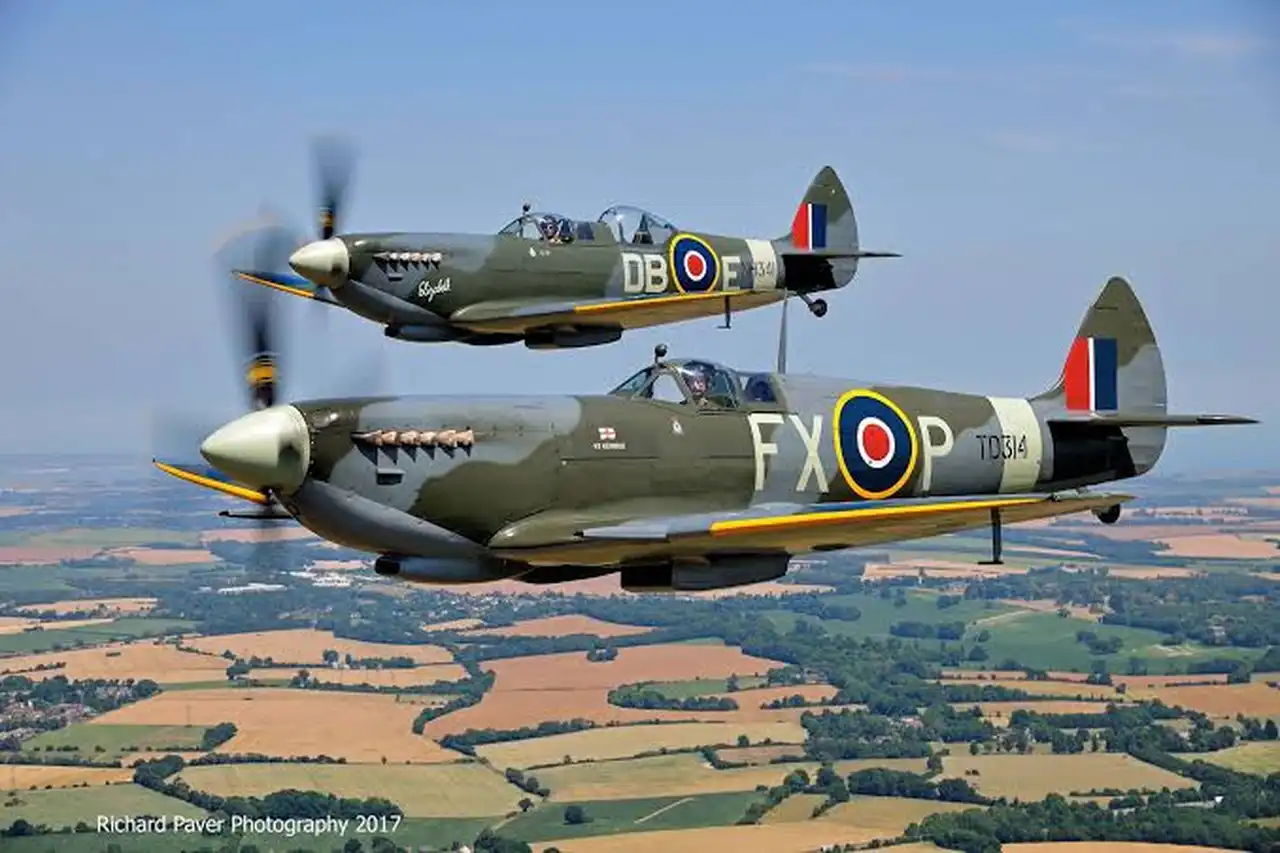
The powerplant also changed over time. Early models ran on the Rolls-Royce Merlin, while later variants — the Mk XIV in particular — switched to the Rolls-Royce Griffon, delivering meaningful gains in speed and climb rate. Precise horsepower figures, service ceiling, and fuel endurance aren’t consistently documented across available sources.
Combat Performance
The RAF Museum has described the Spitfire as the top-performing Allied fighter of 1940. Its defining test came in the Battle of Britain, where it went head-to-head with the Luftwaffe’s Messerschmitt Bf 109E. According to that same source, the Spitfire Mk I was the only British fighter capable of matching the Bf 109E on roughly equal terms.
The aircraft’s service life ran far longer than most people assume. The RAF’s last operational Spitfire sortie took place on April 1, 1954 — a photo-reconnaissance mission over Malaya, sixteen years after the type first entered service.
Spitfire vs Bf 109E: The Defining Rivalry
The most significant historical matchup for the Spitfire is against the Messerschmitt Bf 109E, its direct rival during the Battle of Britain.
| Factor | Spitfire Mk I |
|---|---|
| Direct rival | Bf 109E |
| Outcome | Only British fighter on par with the Bf 109E |
| Context | Battle of Britain, 1940 |
Detailed head-to-head performance comparisons between the two aircraft aren’t fully consolidated in the sources reviewed, but the historical consensus points to a closely matched contest, often decided by tactics and pilot experience rather than raw specs.
Variants and the Naval Seafire
The Spitfire family spans everything from the Mk I, its original service variant, to the Mk XXIV, the final model in the line, with production wrapping up in October 1947. Notable entries include the Mk IX, one of the best-known versions from the aircraft’s mature phase, and the Mk XIV, fitted with the Griffon engine and a marked jump in performance.
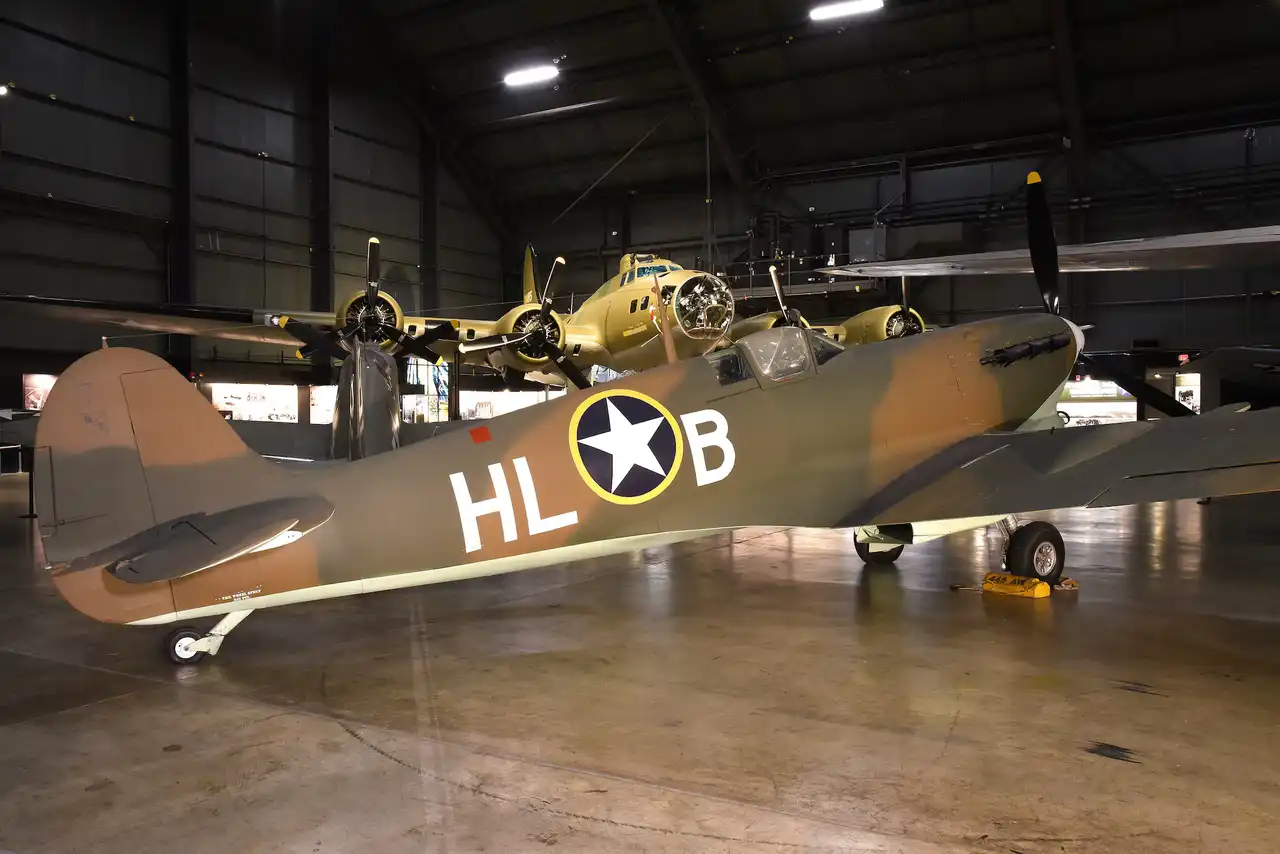
A naval adaptation also emerged: the Seafire, built for carrier operations, spanning variants like the Mk I, III, XV, XVII, and 45–47. Total production reached 20,334 Spitfires and 2,556 Seafires — numbers that reflect the sheer industrial scale behind the program during the war.
Strengths and Limitations
Strengths:
- Top-tier performance by 1940 standards
- Continuous refinement across variants, always pushing for more speed and combat capability
- Extensive historical documentation and a remarkably long service life
Limitations:
- Significant variation between sub-variants makes broad generalizations difficult
- Technical data isn’t always standardized across specialist sources
- Details on armor, unit cost, and annual production output aren’t widely confirmed
Notable Facts
Few people realize the Spitfire’s operational career stretched past 15 years, only ending in 1954 over Malaya. Another overlooked detail: by July 1940, the RAF already had nineteen squadrons flying the Mk I — a substantial number for a relatively new design at the time. The existence of the Seafire, the naval spin-off of the project, also tends to get left out of shorter summaries of the aircraft’s history.
Frequently Asked Questions
When did the Spitfire enter service?
On August 4, 1938, with the Royal Air Force.
Who was the Spitfire’s main rival?
The Messerschmitt Bf 109E, faced during the Battle of Britain.
How many Spitfires were built?
20,334 Spitfires and 2,556 Seafires, its naval counterpart.
What was the final Spitfire variant?
The Mk XXIV, with production ending in October 1947.
When was the Spitfire’s last operational flight?
April 1, 1954, on a reconnaissance mission over Malaya.
Final Verdict
The Spitfire stands as one of World War II’s most important fighters, combining strong performance with constant refinement and a decisive role in Britain’s air defense. Despite technical variation across models, its historical legacy is unquestioned — a symbol of resilience that still takes to the skies today in memorial flights honoring the Battle of Britain.

Joseli Lourenço
07/29/2026